Open Flatbed vs Flatbed Conestoga: Which Trailer Do You Need?
- MC 1425624 · USDOT 3883624
- Canada and USA lanes
- Hot load and emergency service
- Cambridge, Ontario
Choosing between an open flatbed and a Flatbed Conestoga comes down to the freight and how much weather protection it needs. This guide compares open flatbed vs Conestoga so you can pick the right trailer for your load.
What is an open flatbed?
An open flatbed is a flat trailer deck with no sides or roof. It can be loaded from the top, sides or rear by crane, forklift or hand. It is the most flexible equipment for tall, wide or awkward freight and is usually the standard choice for steel, pipe, lumber, machinery and building materials.
What is a Flatbed Conestoga?
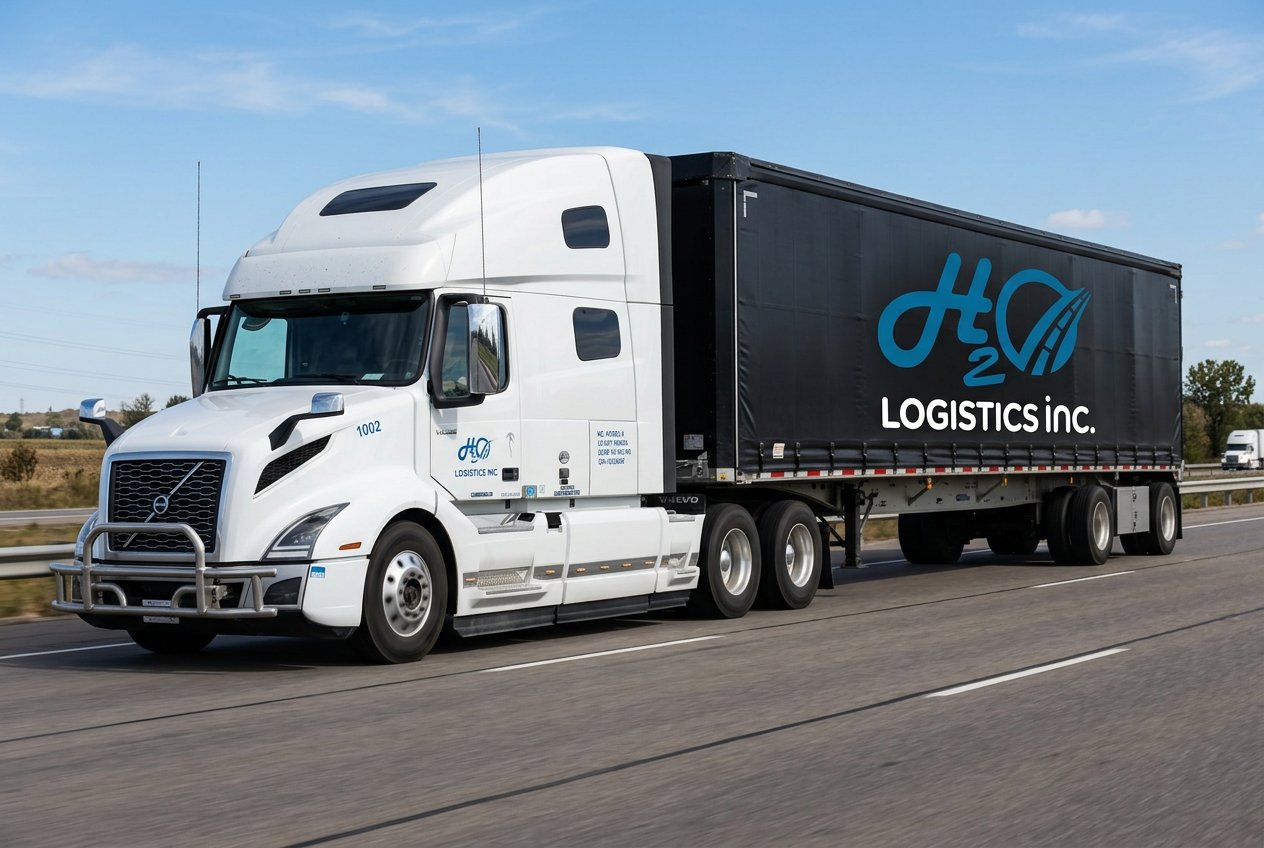
A Conestoga is a flatbed with a rolling tarp system. A frame and tarp slide along the trailer so the load can be covered and uncovered quickly. The cover protects freight from rain, snow, road spray and debris while still allowing side loading and unloading.
If the freight must stay dry but loads from the side, ask for a Conestoga.
Side by side
- Loading access: open flatbed offers the most access, including overhead. Conestoga allows side access with the tarp retracted.
- Weather protection: open flatbed needs separate tarps. Conestoga is covered by the rolling system.
- Freight height: open flatbed handles taller loads. Conestoga has a fixed interior height.
- Weight: the tarp system adds weight, so a Conestoga may carry slightly less payload than a comparable open flatbed.
- Labour and time: Conestoga saves time compared with hand tarping.
Which should you choose?
- Choose open flatbed for oversize, very tall or crane-loaded freight and when weather exposure is not a concern.
- Choose Flatbed Conestoga for freight that needs weather protection but still has to be loaded from the side or top-loaded in a covered environment.
- Consider dry van if the freight can be loaded through a dock door and needs full enclosure.
Key takeaway: Open flatbed gives maximum flexibility. Conestoga adds weather protection and faster covering. The freight dimensions and handling needs decide.
Frequently asked questions
Is a Conestoga trailer the same as a flatbed?
A Conestoga is a type of flatbed with a rolling tarp system that covers the load.
Can a Conestoga carry oversize loads?
Usually not. Oversize or very tall freight generally needs an open flatbed or specialized equipment.
Which is cheaper, open flatbed or Conestoga?
Pricing depends on the lane and market, but Conestoga service can cost more because of the specialized equipment and added weather protection.

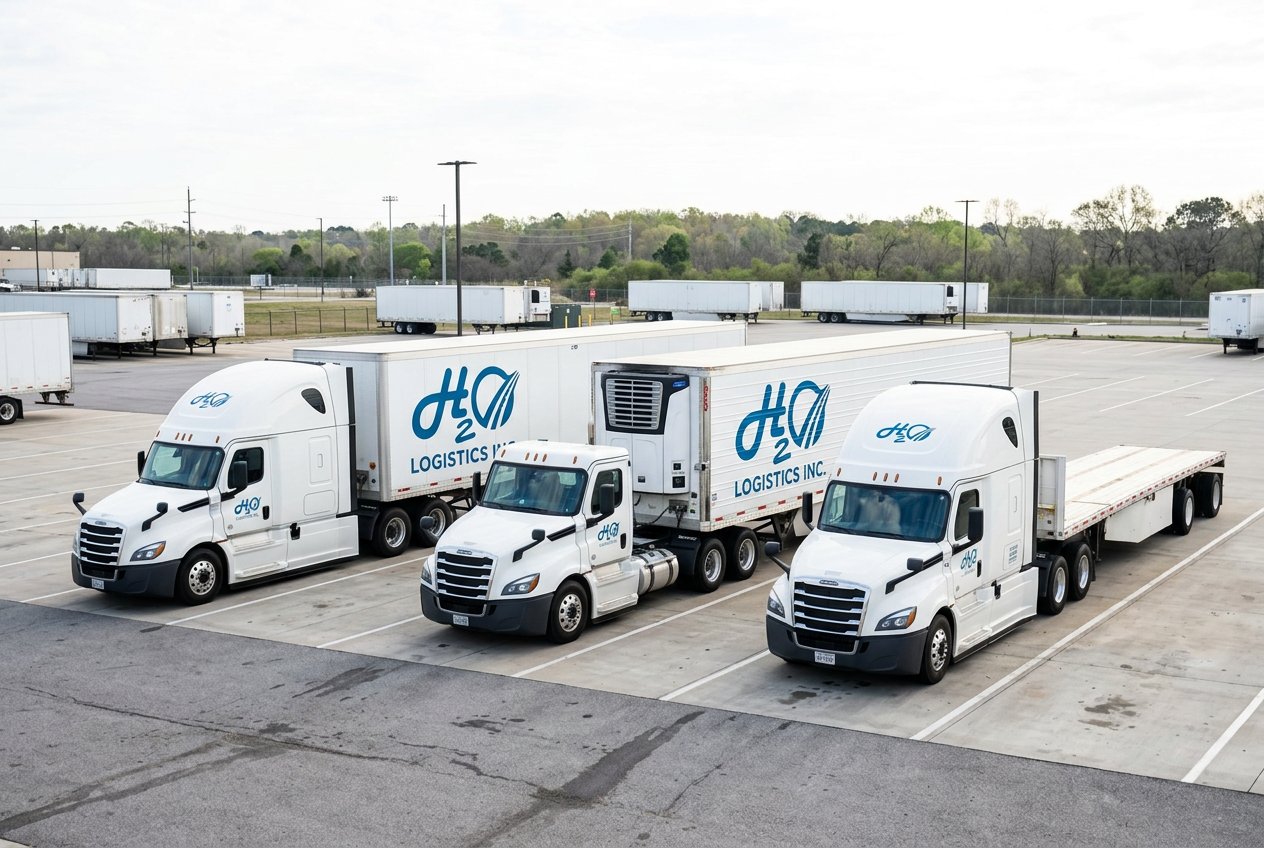
A Cambridge, Ontario carrier hauling dry van, reefer, open flatbed and Flatbed Conestoga freight between Canada and the USA. Carrier authority: MC 1425624, USDOT 3883624.
Need a quote or a load moved?
Tell us the lane and we will reply with a quote and your load code.