Dry Van vs Reefer vs Flatbed: How to Choose the Right Trailer
- MC 1425624 · USDOT 3883624
- Canada and USA lanes
- Hot load and emergency service
- Cambridge, Ontario
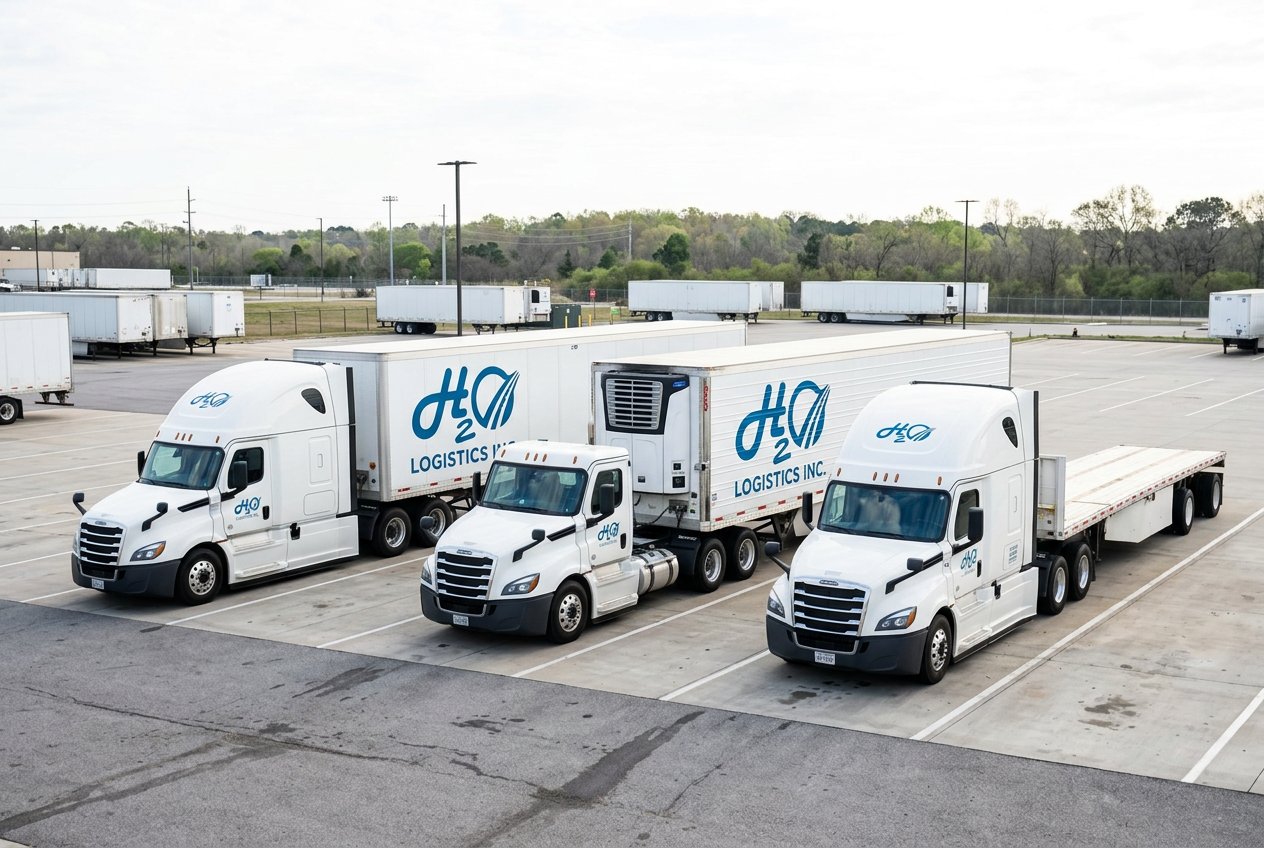
Picking the correct trailer is the first decision on any truckload. This guide compares dry van vs reefer vs flatbed so you can choose the right equipment and get an accurate quote the first time.
Dry van
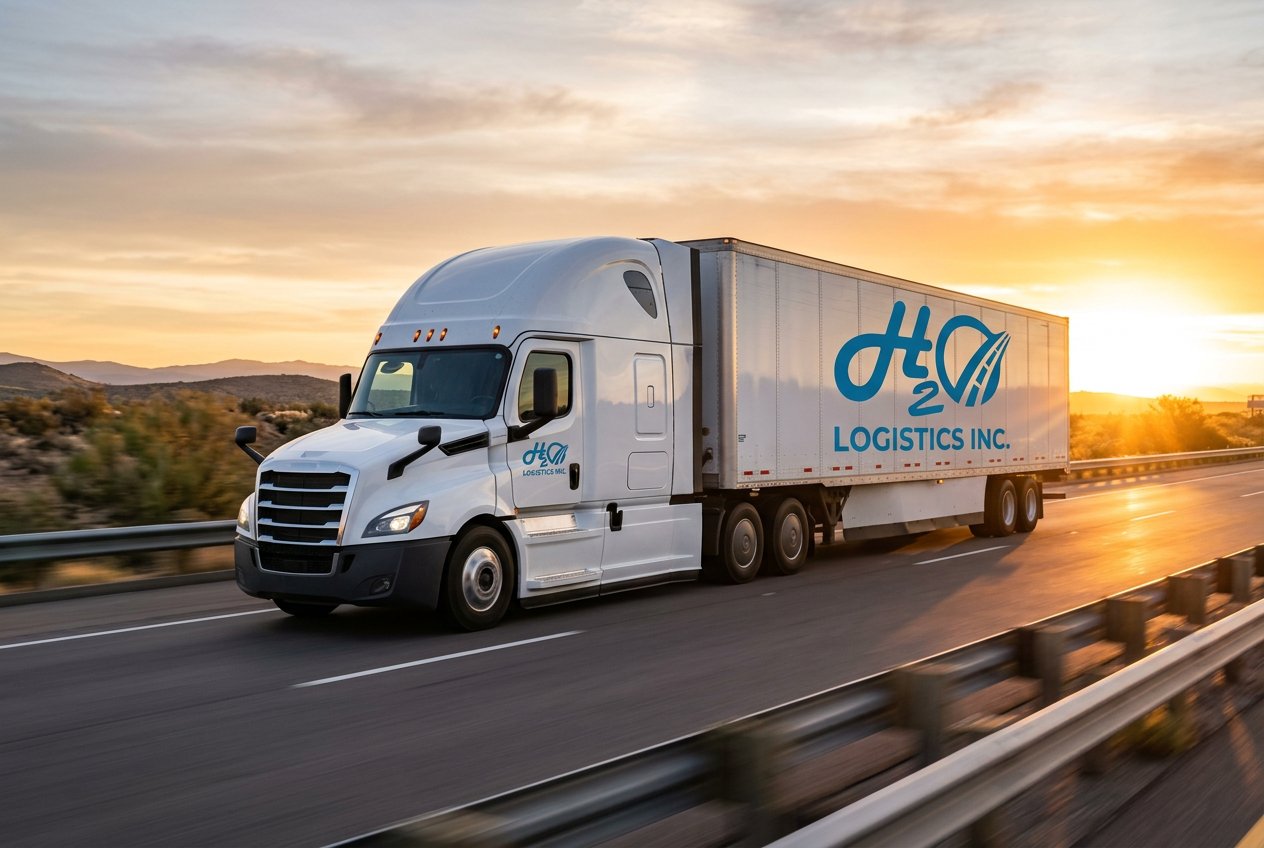
A dry van is an enclosed, non-refrigerated trailer, typically 53 feet long, loaded and unloaded at a dock door. It protects freight from weather and theft and suits most palletized and packaged goods.
- Best for: consumer goods, packaged products, automotive parts, boxed and palletized freight.
- Not for: oversize freight or products that need temperature control.
Reefer
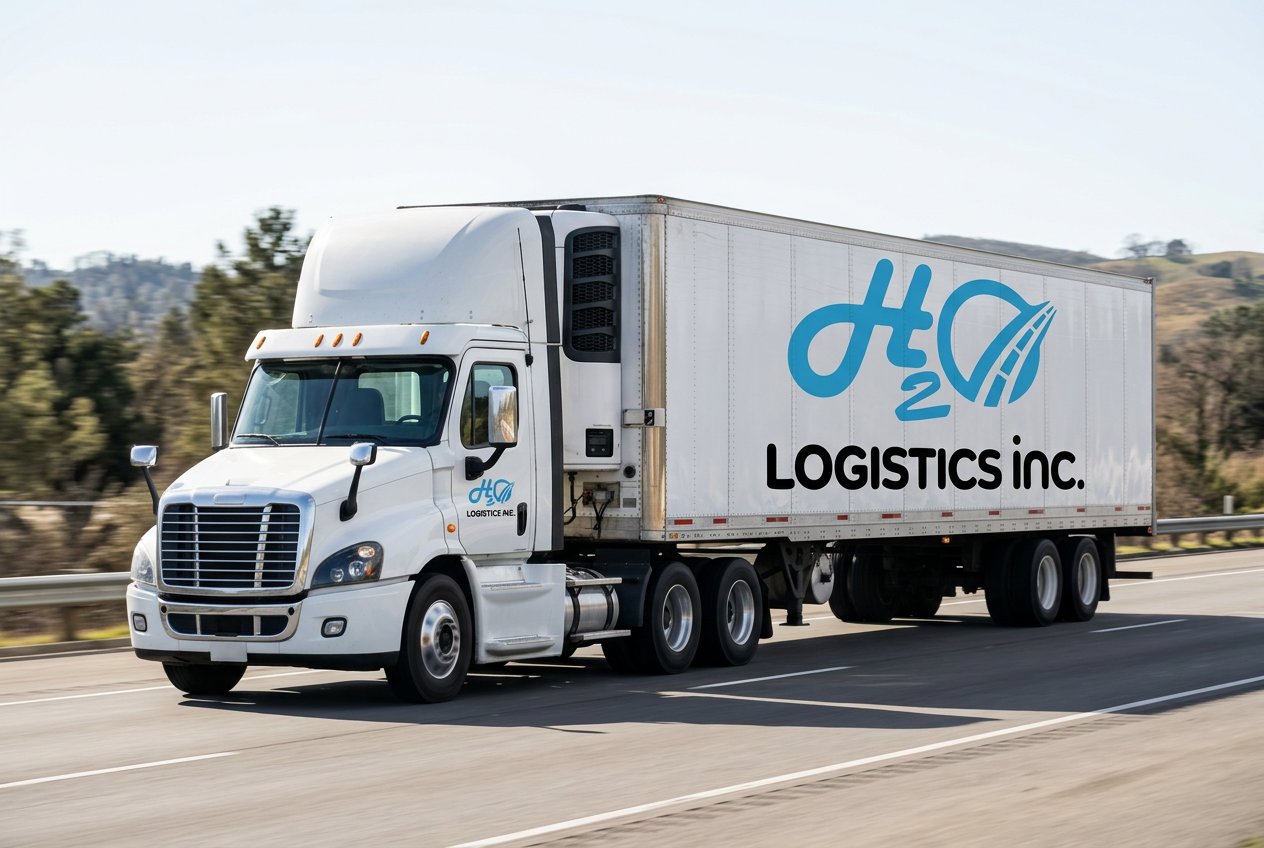
A reefer is an insulated trailer with a refrigeration unit that holds a set temperature. It looks like a dry van but is built to keep freight cold, or from freezing.
- Best for: food, beverages, produce, dairy, pharmaceuticals and other temperature-sensitive freight.
- Not for: freight that does not need temperature control, because reefer service usually costs more.
If you are unsure, send your carrier the commodity, size and loading method.
Flatbed (open flatbed and Conestoga)
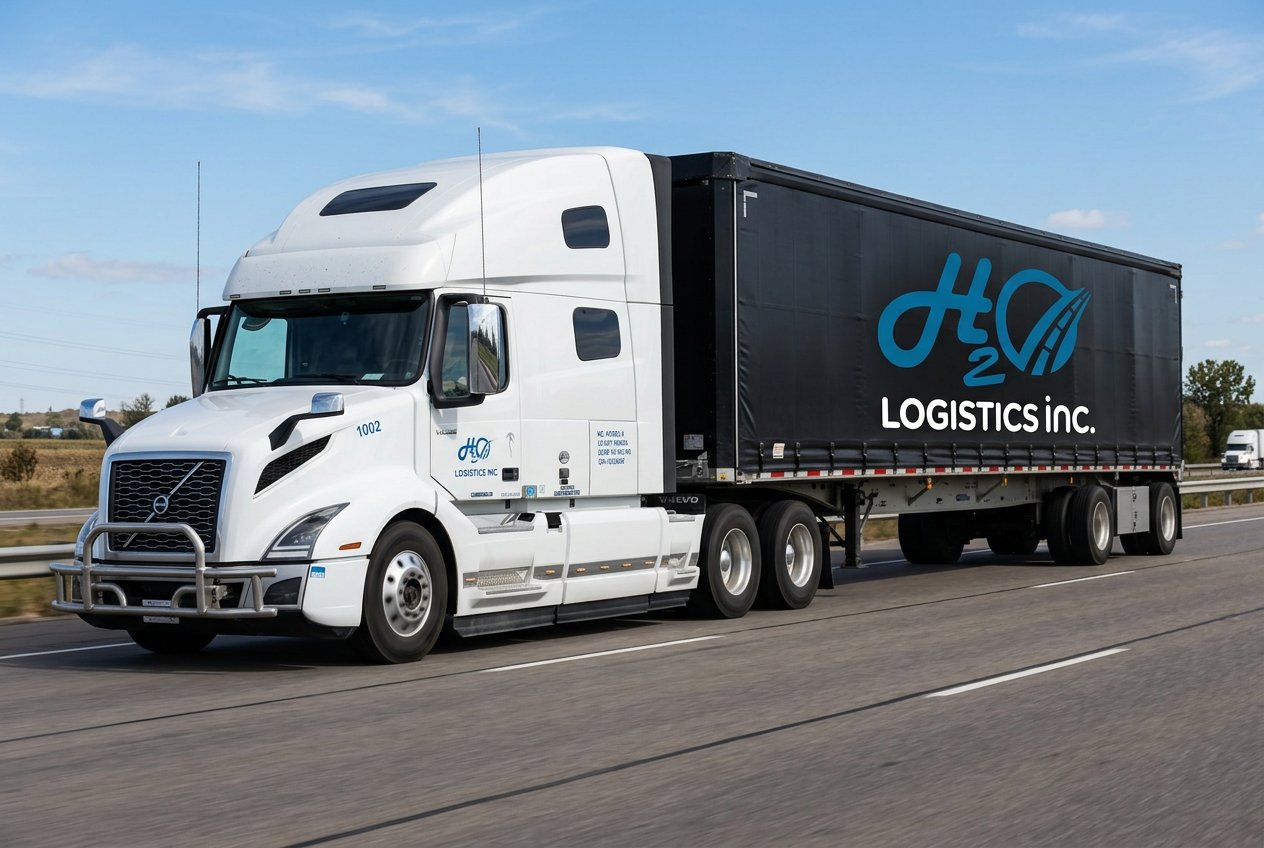
A flatbed has an open deck with no walls, so it can carry freight that does not fit in an enclosed trailer. A Conestoga adds a rolling tarp system for weather protection.
- Best for: steel, pipe, lumber, building materials, machinery and oversize freight.
- Not for: freight that needs a sealed, enclosed environment unless it is tarped.
Quick selection guide
- Does the freight need temperature control? Choose reefer.
- Is it oversize, heavy or loaded from the top or side? Choose flatbed, or Conestoga if it needs covering.
- Is it palletized or boxed and loaded at a dock? Choose dry van.
Key takeaway: Match the trailer to the freight's size, temperature needs and loading method, and tell your carrier these details when you ask for a quote.
Frequently asked questions
What is the difference between a dry van and a reefer?
A dry van is an enclosed trailer without temperature control. A reefer has a refrigeration unit that keeps freight cold or prevents freezing.
Can I ship palletized goods on a flatbed?
Yes, though dry van is more common for palletized freight. Flatbed is typically chosen when loading or dimensions require it.
Which trailer is cheapest?
Dry van is usually the most economical, followed by flatbed and then reefer, though pricing varies by lane and market conditions.

A Cambridge, Ontario carrier hauling dry van, reefer, open flatbed and Flatbed Conestoga freight between Canada and the USA. Carrier authority: MC 1425624, USDOT 3883624.
Need a quote or a load moved?
Tell us the lane and we will reply with a quote and your load code.